Online orders are back! • ⚠️ Beware of scams and fake accounts • Our official Instagram is @mahalekshmisilks• For enquiries, use the contact numbers listed in our official social media video descriptions
Online orders are back! • ⚠️ Beware of scams and fake accounts • Our official Instagram is @mahalekshmisilks• For enquiries, use the contact numbers listed in our official social media video descriptions

What Types of Sarees Define Kerala's Tradition?
Date: 29 August 2025
Kerala's tradition has never been far from connected with women's clothes, and among them sarees are particularly prominent. The most emblematic of them is the Kerala Kasavu saree, which is a plain but elegant white or cream-colored dress with golden borders and became symbolic of the state's culture. Over time, Kerala women have also adopted a whole range of other sarees for specific occasions, so sarees are not only a part of their closet but an expression of heritage, lifestyle, and identity.
Presently, the sarees that constitute Kerala's heritage include the evergreen Kasavu and the vibrant Kanchipuram silks, lightweight cotton, festive tissue sarees, and designer fusion sarees. Each saree type has its own meaning, being tied either to everyday wear, celebrations, or wedding ceremonies, and all of them together reflect the diversity of Kerala's textile heritage.
Kasavu Sarees – The Embodiment of Kerala's Heritage
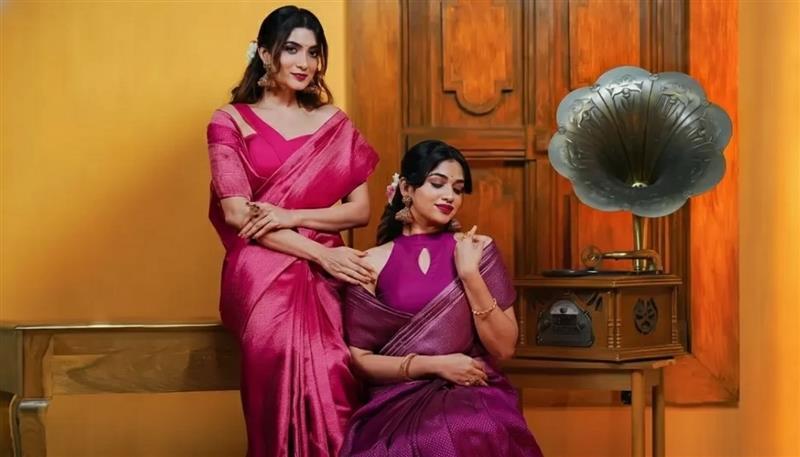
The Kerala Kasavu saree is the most quintessential of the state's traditional attires. Featuring an off-white or cream-colored body and ornate golden zari border, it is the festival wear of choice for Onam, Vishu, and temple-going. All generations of women pamper Kasavu sarees because of their understated loveliness and traditional value. The sarees also top the show at weddings, where brides typically wear more ornate versions with longer borders and embellished designs.
Aside from festivals and rituals, the Kasavu saree has become an icon of Kerala's identity. It is incorporated into cultural performances such as Mohiniyattam and Kathakali, solidifying its position as something more than a garment but an emblem of tradition. In modern fashion, designers have redesigned Kasavu sarees in bordered colors, new motifs, and fusion designs and made them applicable to younger generations without losing their cultural identity.
Tissue Sarees – The Festive Sheen of Kerala
Tissue sarees are another long-standing favorite among Kerala women, particularly for wedding and festival days. Oozing with silky golden and silk-feel cloth, tissue sarees are regal and glittery and thus a preferred item among brides and close relatives for wedding rituals. The sheen of tissue sarees is simply unbeatable, and they are usually adorned with minute motifs and zari work that add to their beauty.
These sarees coordinate exquisitely with gold accessories, which are part of Kerala wedding attire. Tissue sarees may be traditional in nature but also enjoy popularity among women who prefer a dress to appear royalty-like without being cumbersome to wear. The comfort combined with the rich look makes tissue sarees one of the most sought-after options when it comes to Kerala celebrations during festivals.
Set Mundu – The Classic Kerala Style
One of the oldest and most conventional types of clothing in Kerala is the Set Mundu, also referred to as "Mundum Neriyathum". Usually in white or cream with a golden accent, it is a two-piece outfit made up of an upper drape (neriyathu) and a lower fabric (mundu). Although older than the single drape saree, it is still worn on festive occasions and temple events. The Set Mundu is particularly favored during Onam, when it has also become synonymous with Kerala's cultural heritage.
In contemporary times, the Set Mundu has been modernized into saree-like wraps that combine the new with the old. Fashion designers tend to try out colored borders, embroidered designs, and silk combinations, making them more suitable for various occasions. Although still very traditional, the Set Mundu has adapted itself to become popular among young women as a cultural pride with a touch of modernity.
Kanchipuram Silk Sarees – A Kerala Bride's Favorite Bridal Wear
Kanchipuram silk sarees, which originated in Tamil Nadu, are now a common sight at Kerala weddings. With their rich silk fabric, elaborate zari designs, and striking colors, Kanchipuram sarees are most desired by Kerala brides opting for an air of magnificence for their wedding day. The striking contrast borders and temple-based motifs make them an heirloom piece that is loved across generations.
For marriage, Kanchipuram sarees typically are available in maroon, red, and green colors, along with heavy gold jewelry, a representation of Kerala's bridal culture. Gradually, lighter colors like cream and pastel shades have emerged as favorites, so that today's brides can opt for Kanchipuram silks which blend tradition with modernity. Their ruggedness and opulence make them an all-time favorite.
Cotton Sarees – Daily Sheen of Kerala Women
Cotton sarees are an integral part of Kerala's everyday life, particularly due to the warm and humid climate of the state. Cotton sarees are light, airy, and easy to handle, making them ideal for workplace wear, leisure wear, and temple visits. They exist in plain handloom weaves or printed/embroidered versions, providing variety to women of all ages.
Besides functionality, cotton sarees also symbolize the handloom tradition of Kerala. Areas such as Balaramapuram are renowned for weaving exquisite cotton sarees that incorporate traditional designs and the highest quality. These sarees are comfortable yet do not lack elegance, making them an integral part of Kerala's saree culture.
Banarasi Sarees – A Regal Touch to Kerala Weddings
Baranasi sarees, which are from Varanasi, have consistently become part of Kerala's wedding trousseau. Banarasi sarees are a sight to behold, with their lush silk fabric and elaborate brocade work with gold and silver zari. Banarasi sarees are often chosen by Kerala brides as wedding reception wear or for subsequent wedding ceremonies to incorporate diversity into their wedding ensemble.
They look so alluring due to their complex designs, ranging from flowers to Mughal designs, which provide such a dramatic contrast against traditionally Kerala gold jewelry. While non-native to the state, Banarasi sarees are testimony to Kerala's cultural cosmopolitanism, whereby women borrow styles from across India without giving up their own ways.
Designer Sarees – Fashion Statement of Modern Kerala
Designer sarees have acquired a place of their own in Kerala's fashion market in recent years. They merge the traditional elements such as Kasavu borders with new-age materials such as georgette, chiffon, or net. They are particularly sought after by young women for parties, receptions, and modern-day celebrations. Designer sarees keep the saree culture of Kerala alive in an increasingly modernized era by marrying heritage with contemporary fashion.
Several brides these days also incorporate designer sarees to their ensemble along with traditional silks and tissue sarees. They permit women to experiment with different styles of draping, colors, and decorations, which women prefer to have something new yet be culturally respectful to Kerala's saree heritage.
Which saree is Kerala most famous for?
Kerala is most famous for the traditional Kasavu saree, also known as the Kerala saree. It is usually white or cream with a golden zari border, symbolizing purity and grace. Women wear it widely during Onam, Vishu, and weddings, making it an iconic part of Kerala's identity.
What sarees do brides in Kerala prefer?
Kerala brides usually prefer Kasavu sarees with rich zari work, Kanchipuram silk sarees, or Banarasi sarees in deep hues like red, maroon, and gold. These sarees are chosen for their grandeur, durability, and ability to complement traditional bridal jewelry.
Are Kerala sarees only white and gold?
While the classic Kerala saree is known for its white and gold combination, modern variations now come with colored borders such as maroon, green, blue, or pink. Designers have also introduced embroidery, motifs, and fusion styles while retaining the traditional base.
Which sarees are popular during Onam in Kerala?
During Onam, women mostly wear Kasavu sarees or set sarees, often paired with traditional jewelry like kasu mala and temple ornaments. Some also opt for cotton sarees with colored borders for comfort and style during festivities.
Are Kerala sarees handmade?
Yes, many Kerala sarees are handloom woven, especially Kasavu sarees from traditional weaving hubs like Balaramapuram. These sarees are valued for their craftsmanship, durability, and natural feel, making them a preferred choice for cultural occasions.
Where can I buy authentic Kerala sarees?
Authentic Kerala sarees are available at handloom stores, traditional textile shops, and reputed silk showrooms across Kerala. For wider accessibility, many online platforms and brands now offer genuine Kasavu and other traditional sarees with doorstep delivery.