Online orders are back! • ⚠️ Beware of scams and fake accounts • Our official Instagram is @mahalekshmisilks• For enquiries, use the contact numbers listed in our official social media video descriptions
Online orders are back! • ⚠️ Beware of scams and fake accounts • Our official Instagram is @mahalekshmisilks• For enquiries, use the contact numbers listed in our official social media video descriptions

Which Type of Silk Saree Is Best for Weddings?
Date: 7 October 2025
When it comes to Indian weddings, no other attire's tradition and grandeur can match the style of a silk saree. From the shimmering zari borders to the intricate handwoven patterns, brides and wedding guests have historically worn silk sarees. Every area of India has its version of this remarkable fabric, each representing an indigenous skill and cultural pride. With so much great fabric available, choosing the perfect silk saree for a wedding can be daunting. Let's view some of the most luxurious silk sarees that epitomize elegance and allure at a wedding, each providing its look of charm and classic beauty.
1. Kanchipuram Silk Saree – A Queen of Bridal Silks
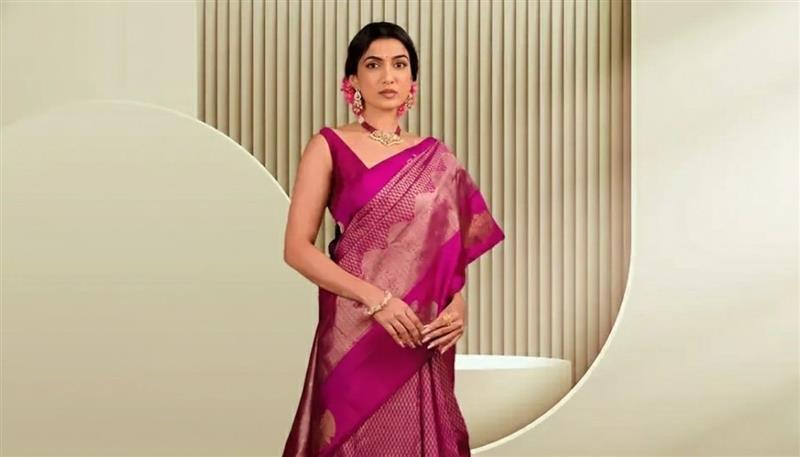
Kanchipuram silk (or Kanjivaram) is what comes to mind when it comes to wedding silk sarees, and it deserves to be at the top of the list. Kanchipuram sarees originate from Tamil Nadu and are woven with pure mulberry silk threads and have real gold or silver zari edging. The distinguishing features of Kanchipuram silk promoting its silk reproduction include its contrasting borders, temple motifs, and lavish pallu designs representing South Indian art and architecture.
Kanchipuram sarees are all inherently works of art requiring days to weave, coupled with their beautiful finishing and toughness. Vibrant colors are often chosen by brides, especially reds, maroons, and magentas (as well as a bright royal blue)—colors that signify wealth, fortune, and good luck for a new beginning. The Kanchipuram silk saree is another such heritage clothing picked by parents as a gift as a section of satinism.
2. Banarasi Silk Saree - A Traditional Bridal Attire of North India
Banarasi silk sarees are a traditional bridal attire for brides in North India. Original Banarasi silk sarees are handwoven in the pious city of Varanasi. Widely known for their finest quality of silk, and luxurious zari embroidery and Mughal-inspired motifs including vines, paisleys, and jalli (jaali) style embroidery, Banarasi silk sarees are the epitome of luxury. Typically, Banarasi silk sarees are produced in royal deep colors like red, gold or emerald green to convey luxury.
Whether heavily woven in gold zari or not, Banarasi silks are ideal for Indian-style wedding ceremonies and receptions. In addition to their naturally rich sheen, they make the bride feel regal on a day where royalty is at the forefront of her mind. Whether you opt for a more traditional brocade Banarasi or a lightweight georgette Banarasi silk saree, there is no instance where a Banarasi silk saree doesn't draw attention.
3. Mysore Silk Saree—The Representation of Simplicity and Grace
The Mysore silk saree is a great option for brides opting for a more understated and sophisticated wedding look. Originating from Karnataka, Mysore silk sarees are recognized for their soft textures, minimalistic patterns, and fine zari borders. Unlike the heavily embroidered Banarasi silks or Kanchipuram silks, Mysore silks are light and easy to drape, making it easy and comfortable to combat longer wedding-related occasions.
These sarees usually come in solid jewel tones like maroon, mustard yellow, and deep green, along with pure gold zari borders. Mysore silk sarees are straightforward, allowing brides to explore statement jewelry, temple jewelry, and decorative blouses with a contemporary twist.
4. Tussar Silk Saree – Vintage Charm Ideal for Daytime Weddings
If you are planning an outdoor or daytime wedding, Tussar silk sarees are the artful mix of traditional and elegant. Tussar silk has rich texture and a naturally golden color and is lighter and breathable compared to traditional bridal silk. Tussar sarees are typically woven by artisans using earthy colors, floral designs, and tribal insignias, making them a very good option for brides with a trust in raw and natural aesthetics. A Tussar silk saree with an embroidered blouse or contrasting dupatta forms a regal bridal look—a great twist on the cooler elegance of traditional silks.
5. Patola Silk Saree—The Fabric of Regal Culture
The Patola silk saree from Gujarat is a double ikat weave that is simply magnificent in terms of craftsmanship. Each attire requires months of work, as both the warp and weft silk threads are dyed before the weaving process.
Patola sarees are characterized by symmetrical geometric patterns, vibrant color combinations, and equal clarity of coloring on both sides of the sari.
Bridal families in Gujarat and the south of India have a long-standing tradition of wearing Patola silk sarees, making Patola silk sarees even more special and unique. They are also perfect for brides who want tradition and handwork instead of embellished garments for their big day.
6. Organza Silk and Soft Silk – The Modern Bride
For brides who are looking for modern yet traditional options, both organza silk and soft silk sarees are becoming a hit. Organza silk sarees are pretty sheer, lightweight, and very structured—giving them a dreamy, delicate appeal. Soft silk sarees remain luxurious in texture, being pure silk, yet are much easier to work with and have a manageable fall.
Designers are frequently using pastel shades like blush pink, powder blue, or peach for soft silk and organza silk and adding a subtle border with minimal zari or hand embroidery to create a modern bridal look. These sarees are suitable for pre-wedding events like mehendi, engagement, or reception, where an ease of elegance is the theme.
7. Temple Border Silk Sarees
In South India, sarees made of pure silk with temple borders are a must-have for weddings.
Temple border silk sarees are strongly rooted in South Indian ethnic aesthetics, and common themes include gopurams, peacocks, or mango motifs on the border, and all of the borders are embroidered with pure zari. The contrast of the body against the border gives the saree a bold and divine effect and is often used by brides in a religious/traditional wedding ceremony or in a temple.
Using bold hues of red and gold, green and maroon, or cream and copper zari can suggest auspiciousness and reflect pride in their culture. The timeless designs on silk sarees continue to dominate bridal wardrobes through the generations.
Choosing the Right Silk Saree for Your Wedding
Selecting the right silk saree for your wedding depends on a few factors, such as your wedding style/style, the time of day, your comfort level, and your style.
- For a traditional temple bridal wedding, consider a pure Kanchipuram or temple border silk saree.
- For large indoor weddings, there are no fabrics that rival the luxuriousness of Banarasi silk.
- For a small or daytime wedding, a Tussar or soft silk saree in pastel shades will be just as flattering.
- Finally, if you prefer understated elegance, the Mysore or Organza silks look very fashionable but are quite simple.
To finish off your bridal look, pair your saree with artisanal jewelry, traditional updos, and a well-fitted blouse.
Every silk saree tells a story: the skill of the weaver who wove the fabric, where the fabric came from, and perhaps heartfelt thoughts entering into the process regarding the bride's special day. Whether it is a regal Kanchipuram, an intricately embroidered Banarasi, or a light Organza saree, the experience of wearing a wedding saree is all about how it made you feel about the saree, bridal fashion, and culture on your wedding day. Above all, a wedding silk saree represents so much more than just a textile weaving. It signifies tradition, individuality, and love for those involved.
At Mahalekshmi Silks, each saree has been carefully and intentionally created to encapsulate the beauty of ancient artisanal traditions and the elegance of contemporary textile practice so that you can remember your special wedding day with beautiful silks and grace.
What is the most appropriate silk saree for a classic wedding?
Kanchipuram silk sarees are the most appropriate option for traditional weddings. The silk is rich, the colors are bold, and the incorporation of a gold/silver zari border give these sarees a regal feel. The contrast borders and temple-style motifs elevate the sarees for religious settings, so you can be assured the bride will be elegant and culturally positioned.
What silk saree is popular with South Indian brides?
The Kanchipuram silk saree is quite popular with South Indian brides for a variety of reasons. These sarees are woven with pure mulberry silk threads, and are acknowledged for their heavy zari styled threads, the motifs of temples, and the wedding pallu. The traditional elegance and vibrant colors of their durable form, create a bridal option for weddings and festive occasions.
Are Banarasi silk sarees fit for weddings?
Yes, Banarasi silk sarees are suitable for weddings, specifically in North India. Sometimes you can find them in other areas of the country as well, with a luxurious sheen and fine texture, along with lovely zari embroidery, they give a regal bridal look. Elements of Mughal motifs in paisleys, floral vines, and jaal present intricate designs that are perfect for a big wedding function or even just a reception.
What makes Kanchipuram silk sarees a popular choice for bridal wear?
Kanchipuram silk sarees are known for their durability, vibrant colors, and rich zari work. The contrast between the borders and the various styles, traditional or contemporary, shows off the craftsmanship and gives brides a gorgeous appearance to highlight that day. The rich silk look means it feels timeless and will last through an entire wedding occasion without losing elegance.
What silk saree styles are lightweight and comfortable for day weddings?
When thinking of a wedding that will take place partially or fully during a warm seasonal day outdoors, Tussar silk sarees, Mysore silk sarees, or soft sarees are ideal choices to consider. The fabrics are breathable, lighter than traditional bridal silks, and easy to drape. They maintain a level of elegance while being comfortable for daytime ceremonies, mehendi functions, and pre-wedding events.
How do I pick the right silk saree style for my wedding theme?
Selecting the most appropriate silk saree style for bridal wear takes into account the style of ceremony, location, your personal style, etc. For instance, if the wedding is of traditional ceremony style at a temple, you would look for heavier Kanchipuram or temple border silk styles. However, if you are looking for a wedding with a specific modern or minimalistic style at a secular venue, soft silk sarees or organza sarees in pastel colors would be complementary. Comfort is still an important consideration, along with simplicity in draping and selecting colors that go with the jewelry and other accessories as well.