Online orders are back! • ⚠️ Beware of scams and fake accounts • Our official Instagram is @mahalekshmisilks• For enquiries, use the contact numbers listed in our official social media video descriptions
Online orders are back! • ⚠️ Beware of scams and fake accounts • Our official Instagram is @mahalekshmisilks• For enquiries, use the contact numbers listed in our official social media video descriptions

Why Pure Silk Sarees Are the Heart of Kerala’s Festive Fashion?
Date: 26 February 2025
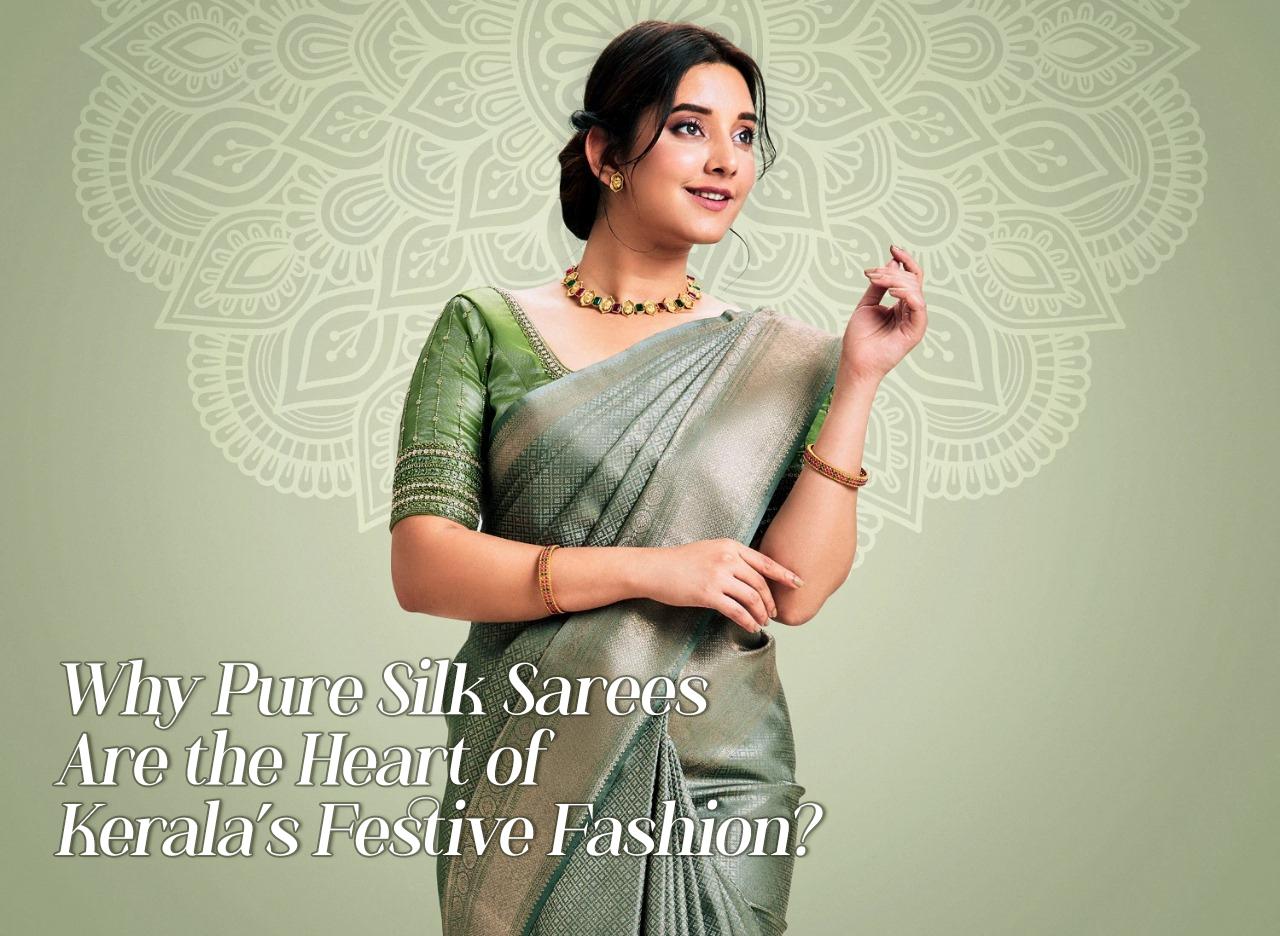
Here, in Kerala, festivals are more than just mere events; they are colorful exhibitions of tradition, culture, and community. And no such party here ever remains complete without the elegance of an unadulterated silk saree. Whether it's the colorful flower carpets of Onam, the sacred rituals of Vishu, or the majesty of a traditional Kerala wedding, silk sarees have for long occupied a special place in the festive repertoire of every Malayali woman.
A Tradition Woven Through Generations
Silk sarees have been enriched into Kerala’s cultural fabric for ages. Unlike a mere garment, silk sarees symbolize wealth, grace, and honor. It is little wonder that the most significant occasions in a Malayali woman’s life—weddings and other religious functions—are marked with the shine of silk sarees. It is not just about attire; it is about culture.
The Traditional Silk Kasavu Saree
Without including the famous Kasavu saree, no account of Kerala's festival attire would be complete. It is a timeless classic due to its ivory body and glistening gold fringe. The Kasavu saree, which is proudly sold during the Onam, Vishu, and temple festivals, is the pinnacle of Kerala's subtle beauty. It is simple and elegant.
What is so special about the Kasavu saree is that it is versatile. Worn with a traditional blouse, it is old-world elegance while contemporary interpretations with contrasting blouses or fashion drapes lend it a contemporary look, which appeals to women of any age group.
A Passion for Best Silk Sarees Across Borders
Though the Kasavu saree has a distinct position in Kerala's celebration fashion, Malayalis have a rich affinity for the best silk saree collections from all over India. Favorites include:
- Kanchipuram Silk Sarees: With their luxurious texture, rich colors, and elegant zari work, they're the first choice for weddings and other grand occasions.
- Mysore Silk Sarees: They are light but costly and are perfect for religious ceremonies and visiting temples.
- Banarasi Silk Sarees: With their stunning brocade prints and Mughal motifs, these sarees add an extra dose of royalty to any festival wear.
- Tussar Silk Sarees: Offering a slightly subdued but elegant charm, Tussar silk is typically chosen for wedding receptions and evening parties.
Owning the best silk saree allows every woman to express her individuality while staying connected to cultural traditions.
Silk Sarees: A Status Symbol and Heirloom
In Kerala, a set of silk sarees is not merely a closet—it's an inheritance. Daughters inherit their mother's prized silk sarees and thus start a lovely tradition of heirlooms. To own and don a pure silk saree is a badge of sophistication and class, something that has never changed despite changing trends in fashion.
Comfort Meets Luxury
Kerala's weather conditions require apparel that is both comfortable and fashionable, and pure silk sarees are both. The breathable natural fibers let the skin breathe, and the luxurious luster of silk brings a touch of elegance that is just right for long festive celebrations. It is this special blend that makes silk sarees a favorite choice for daytime weddings and reception ceremonies.
The Art of Handloom and Craftsmanship
One of the most gorgeous things about silk sarees is the handiwork that goes into every one. Handwoven by Kanchipuram weavers, Banaras weavers, or Mysore weavers, each saree speaks a story—of heritage, handwork, and endurance. The fine zari work, intricate borders, and traditional motifs speak of many generations of weaving skill, and every saree is a painting.
Styling Silk Sarees for Modern Festivities
While the classic draping techniques of silk sarees continue to be eternal, modern-day fashion-conscious women have discovered innovative ways to reinterpret them. Matching silk sarees with trendy blouses, statement accessories, or even a belt for a trendy silhouette enables women to marry heritage with current fashion.
This mix of the new and the old keeps silk sarees fresh and interesting, ensuring they stay at the center of Kerala's festival fashion.
The Festive Wardrobe Staple
Ask any Malayali woman, and she will tell you—a festival is not complete without the drape of a silk saree. Whether it is the pomp of Onam's pookalams, the morning Vishu kani, or the grandeur of a temple festival, the visual of women in silk sarees is part of the festive atmosphere.
These sarees aren't attire; they're an experience—a link to Kerala's rich cultural history that's worn with pride and happiness.